How Home Care Helps Seniors Preserve Self-reliance Without Sacrificing Safety
Business Name: FootPrints Home Care
Address: 4811 Hardware Dr NE d1, Albuquerque, NM 87109
Phone: (505) 828-3918
FootPrints Home Care
FootPrints Home Care offers in-home senior care including assistance with activities of daily living, meal preparation and light housekeeping, companion care and more. We offer a no-charge in-home assessment to design care for the client to age in place. FootPrints offers senior home care in the greater Albuquerque region as well as the Santa Fe/Los Alamos area.
4811 Hardware Dr NE d1, Albuquerque, NM 87109
Business Hours
Families hardly ever call me about home care when whatever is going smoothly. The call usually comes after a scare: a fall, a medication mix‑up, a car accident, or a next-door neighbor finding Mom wandering outside during the night. The concern below all the details is usually the exact same:
"How do we keep Dad safe without eliminating the life he still delights in?"
That tension in between independence and safety sits at the heart home care services of elder care. Many older grownups increasingly value their routines, their homes, and their autonomy. Their adult kids, often living in another city and juggling professions and kids, lie awake stressing over what may occur when nobody is there.
Home care, when it is attentively planned and effectively monitored, uses a method to honor both sides of that formula. It supports authentic self-reliance, not just the illusion of it, while putting reasonable protections around the dangers that include aging.
This is not theory. It is the day‑to‑day reality in living spaces, kitchen areas, and driveways throughout the nation, from busy cities to Albuquerque areas with split pathways and summertime heat that can turn a short walk into a health danger.
Let us stroll through how in‑home senior care actually works when it is done well, where its limitations are, and how households can utilize it to protect a parent's self-respect and choice without closing their eyes to safety concerns.
What senior citizens imply by "self-reliance" (and why that matters)
Professionals discuss "independent activities of daily living" and "functional status," but that is not how older adults believe. When I ask older customers what self-reliance means to them, the responses are specific.
"I want to make my own breakfast."
"I wish to remain in this house up until I die.""I want to look after my pet." "I do not desire my kids controlling my cash."
Those may sound basic, yet beneath them sit powerful themes:
- Control with time and regular
- Control over individual space and ownerships
- Control over decisions, specifically medical and monetary
If a home care strategy disregards those themes and focuses only on safety, it will quickly reproduce animosity. I have seen completely well‑designed care schedules stop working since a caretaker kept "helping" with jobs the elder still wished to do alone. The family felt relieved. The elder felt removed of skills.
Effective senior home care begins with a blunt conversation:
What does "still living my own life" imply to this specific individual, in this particular home, with their specific health conditions?
The answers assist everything else.
The quiet dangers behind the front door
Most unsafe occasions that push households towards assisted living or nursing homes do not come out of nowhere. They construct slowly in regular spaces.
I often walk through a home and psychologically layer risk over the layout:
The bathroom that has no grab bars, where a slick tile and a loose rug can indicate a hip fracture.
The cooking area where an older adult has to get on a chair to reach dishes. The cluttered corridor that makes nighttime journeys to the toilet a minefield. The pill organizer filled by someone with mild memory loss.In hotter climates, consisting of Albuquerque and the surrounding location, simple getaways can also turn risky. A short walk for mail in 95‑degree heat, carried out by somebody with cardiac concerns who forgot to consume water, becomes more than regular workout.
These threats are why families in some cases default to the idea that a facility is automatically safer. Yet safety does not only depend on the building. It depends upon supervision, regimens, and how quickly issues are seen and addressed. Well‑organized in‑home care can match or go beyond that level of oversight, while leaving the elder in a familiar environment.
How home care supports genuine independence
Home care is not one thing. It is a toolkit that can be adjusted with time. When households comprehend the specific tools, they can create support that trims risk without flattening autonomy.
Support with daily jobs, not takeover
Professionals call these tasks Activities of Daily Living (ADLs): bathing, dressing, toileting, moving, consuming. There are likewise Crucial Activities of Daily Living (IADLs): cooking, laundry, shopping, paying expenses, managing transport.
A proficient caretaker does not instantly action in and "do whatever." Rather, they enjoy how the person relocations and ask:
Which pieces are unsafe?
Which pieces are tiring however still safe? Which pieces are necessary to this person's identity?Take bathing as an example. One of my customers, a retired instructor in her late seventies, wished to bathe herself however had poor balance. The caregiver established the bathroom so that the elder could wash separately while seated, with the caretaker neighboring and within earshot. The elder dealt with washing and drying. The caregiver handled the logistics: non‑slip mat, ideal water temperature level, towels in reach, safe action in and out.
The outcome: safety improved, however the elder still knowledgeable herself as someone who "takes care of my own hygiene."
Medication management that respects choice
Medication is one of the most common triggers for relocating to assisted living. Missed out on dosages, double dosages, and avoided refills can send out somebody to the emergency clinic.
In home care can introduce layers of protection without dealing with the older grownup like a child. A normal approach might combine a number of elements:
- A weekly tablet organizer filled by a nurse or relative
- Reminders from the caretaker at scheduled times, with the elder still physically taking the pills
- An easy log, signed or marked off, so the family and doctors can see patterns
The key is to keep the elder in the driver's seat. I typically suggest asking, "How do you desire us to assist you keep in mind?" instead of, "We are going to take over your medications." That small shift keeps the sense of firm undamaged.
When memory loss progresses into moderate dementia, the balance modifications. At that point, the best and most respectful choice might be for the caretaker to fully manage and hand over each dosage while still talking the elder through what they are taking and why.
Mobility and fall avoidance: freedom to move, not sit
Nothing robs self-reliance quicker than a major fall. Yet extremely careful family members often swing to the other extreme, dissuading any walking "just in case."
Home care enables a more nuanced technique. An experienced caretaker can:
- Encourage regular, monitored motion around your house and yard
- Assist with transfers in and out of bed, chairs, and the automobile
- Work with physiotherapists to enhance prescribed exercises
One gentleman I worked with in Albuquerque enjoyed his small backyard garden. After a fall, his daughter wanted to lock the back door. Instead, we compromised. The caregiver strolled him out to the garden every afternoon, remained close while he checked the plants, and then walked back with him. We included a steady outdoor chair and a handrail by the single step.
He kept a treasured everyday routine. His daughter slept better at night.
Cognitive support: remaining sharp, not simply "protected"
Independence is not just about physical function. It is also about feeling mentally engaged and respected.
Good in‑home senior care develops small, daily opportunities for thinking and choice into the regimen:
Asking the elder to help plan the day's meals, select clothing that suit the weather, or select which good friend to call first.
Welcoming them to describe old photos, tell stories, or share music from their past. Encouraging them to handle simple tasks they can still manage, like folding towels or writing a shopping list.These minutes do more than pass time. They send out a subtle message: "You are still the specialist on your own life."
Emotional safety is part of physical safety
Safety is not only get bars and high blood pressure logs. Psychological distress, solitude, and untreated anxiety can straight undermine physical health. Individuals who feel ineffective or separated are much less likely to take medications properly, consume well, or speak out about brand-new symptoms.
The existence of a consistent caretaker can soften those dangers. I often see a noticeable change in customers who, after weeks of very little interaction, suddenly have someone in the home who discovers their choices, listens to their stories, and notifications when they are "not quite themselves."
In one case, a caregiver detected subtle changes in a client's speech and energy long before the household did. Her peaceful note in the communication log led to a physician visit, which uncovered a urinary system infection that could have advanced to delirium or hospitalization.
Relationships are not an "extra" in home care. They are part of the safety net.
Practical methods home care enhances safety without feeling restrictive
When families request for specific examples of how home care can keep someone safe while still honoring independence, I usually point to a tight group of practices that make the biggest difference.
Here is a succinct view of them:
- Personalized home safety changes: Simple changes such as getting rid of loose rugs, improving lighting, marking action edges, and rearranging regularly used products to waist height minimize fall risk without changing how the home feels. Lots of agencies will do a formal home safety assessment before beginning care.
- Monitored, not banned, activities: Rather of forbidding cooking, bathing, or short walks, a caretaker can be present, help with the riskiest parts, and intervene rapidly if needed. This turns previously dangerous routines into safe, supported ones.
- Early detection of changes: Routine caretakers see small shifts in speech, hunger, balance, or state of mind. Those patterns frequently reveal heart concerns, infections, or medication negative effects before they escalate.
- Structured yet flexible regimens: Foreseeable everyday rhythm aids with sleep, blood sugar level, and mood, but within that structure the elder can pick timing and order of activities. For someone with early dementia, this balance can delay more extensive care needs.
- Safer transportation and errands: Instead of driving themselves on busy Albuquerque streets, a senior might ride with a caregiver who assists with stairs, heat exposure, and bring bags, while the elder still decides where to go and what to purchase.
None of these tools gets rid of option. They frame option inside safer boundaries.
When home care is inadequate on its own
As much as I operate in and advocate for senior home care, I am blunt with households about its limitations. There are scenarios where even the best in‑home care may not provide adequate safety, or might end up being economically and logistically unsustainable.
A couple of repeating patterns raise warnings:
Severe wandering and nighttime confusion. If someone with dementia repeatedly leaves your home in the evening, even with alarms and door locks, complete 24‑hour supervision may be required. That level of in‑home care quickly ends up being more costly than lots of assisted living or memory care facilities.
Frequent medical crises. If a senior has duplicated hospitalizations for heart failure, advanced COPD, or unstable diabetes, their requirements might move toward competent nursing or hospice care. Home care can support, however not change, round‑the‑clock nursing oversight.
Unresolved aggression or unsafe habits. A small minority of customers develop behaviors that position caretakers or member of the family at danger, such as physical hostility, unrestrained fires from cooking, or declining all medications. Facilities with specialized training and secure environments might be the more secure alternative.
Profound caretaker burnout. In some cases the barrier is not the elder's condition, but the household's exhaustion. If the primary family caregiver is collapsing under the strain, and in‑home services are not enough to alleviate that concern, a residential setting can safeguard both parties.
The best question is not "home or center forever?" It is "provided the present condition, what is the least restrictive, sensible environment that supplies acceptable safety?" That response can alter over time.
Choosing a home care supplier that truly supports independence
Not all home care agencies are equivalent. The difference in between a good and an average fit often shows up in small information that either support or silently erode independence.
When families in Albuquerque or any city ask how to choose wisely, I encourage them to look beyond marketing language and concentrate on behavior.
Key areas to check out in discussion:
Philosophy of care. Ask how they balance self-reliance and safety when there is a dispute. Listen for how they manage threat. A thoughtful company will discuss "self-respect of threat" and shared decision‑making, not a one‑size‑fits‑all guideline.
Caregiver training and supervision. Inquire about how caregivers are trained in fall prevention, dementia care, and communication with resistant seniors. Ask how typically supervisors visit the home and how concerns are managed. Great firms do not send employees out and vanish.
Consistency of staffing. Regular caretaker changes are disruptive, especially for those with memory problems. Ask what portion of shifts are filled by the very same primary caretaker and what backup plans exist for disease or emergencies.
Experience with your parent's particular requirements. For example, if your father has Parkinson's and resides in an older Albuquerque adobe home with narrow entrances, you desire a group utilized to both movement conditions and older housing stock, not just customers in modern, available condos.
Communication practices. Clarify how and how often you will get updates. Households who live out of state normally need structured communication: weekly e-mails, a shared online log, or arranged telephone call, not simply "call us if something occurs."
When brother or sisters disagree about safety and independence
Home take care of parents can expose long‑standing family characteristics. One sibling might push for optimum independence: "Mom is great, she has lived alone for 40 years." Another might promote optimum safety: "If anything takes place, I can not handle the guilt."
An experienced elder care provider, or a neutral 3rd party such as a geriatric care supervisor, can assist families move past viewpoint and into facts. I frequently walk siblings through 3 questions:
What specific dangers are we anxious about?
What specific abilities does our parent wish to preserve?What options, including in‑home care, can minimize the dangers without needlessly removing those abilities?
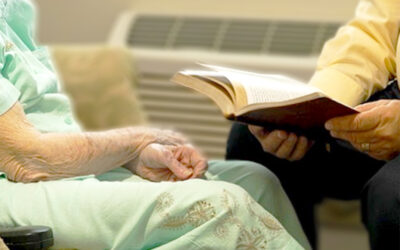
Home care can act as a middle ground, a trial option. Instead of arguing abstractly about whether Dad is "safe in your home," a household can consent to introduce a caregiver for a limited period, then reassess based on observed changes and results. The conversation then moves from worries to data: less falls, improved medication adherence, reduced emergency situation visits, or more steady mood.
Common myths about in‑home senior care
Misunderstandings about home care frequently postpone help up until after a crisis. Dealing with these misunderstandings early can open much better options.
Here are a few of the misconceptions I still hear frequently:
- "Home care will make my parent reliant." In truth, thoughtful home care can extend the period of safe self-reliance by preventing the type of injuries and crises that force abrupt moves. The objective is to support what the elder still does well, not to take it away.
- "It is just for individuals who are extremely ill or older." Lots of clients begin with simply a couple of hours a week focused on transportation, meal preparation, or light housekeeping. Beginning earlier allows a mild ramp‑up rather of an emergency scramble.
- "Caregivers will take over your house." Credible firms train caretakers to regard boundaries, include the elder in decisions, and follow a care plan formed by the household and client. If you ever feel a caregiver is overstepping, that is a discussion with the agency, not a factor to avoid home care entirely.
- "Center care is constantly more secure." Facilities can be more secure for some situations, but they are not magic. Falls, infections, and medication errors occur there too. The quality of oversight, staffing levels, and responsiveness matter simply as much as the setting itself.
- "We can not manage it, so there is no point looking." Costs differ extensively. Some households start small, use long‑term care insurance coverage, integrate private pay with veteran benefits, or bring in aid only during the riskiest times of day. Exploring alternatives often exposes more flexibility than individuals anticipate.
The earlier families dispose of these myths, the earlier they can tailor home care in a manner that genuinely serves both safety and independence.
A sensible course forward for families
Home care is not a magic solution, but it is an effective tool when used with clear eyes and stable interaction. At its finest, it does three things at once.
First, it lets older grownups stay in the place where their memories live: the worn kitchen table, the familiar creak of the hallway floorboard, the morning light that comes through the exact same east‑facing window. Environment matters deeply in late life, especially for those with cognitive decrease.
Second, it wraps that familiar environment in useful safeguards: another set of eyes on the pillbox, another stable arm for the shower, another motorist who knows where the shady parking spots are on a hot Albuquerque afternoon.
Third, it permits households to shift roles. Adult kids can start being kids and daughters again instead of unpaid, tired full‑time caregivers. Visits can revolve elder care albuquerque nm more around discussion and connection than around rushed bathing, cleansing, and medication wrangling.
Striking the right balance in between self-reliance and safety is not a one‑time decision. It is a continuous change, tuned to the elder's altering health, the household's capability, and the resources available in the local community.
Thoughtfully created in‑home senior care gives you more space to make those modifications gradually, rather of just after a crisis. It offers a practical, gentle middle path: neither careless autonomy nor unneeded limitation, however a living arrangement where an older grownup can still recognize their own life and state, with sincerity, "I am home, and I am taken care of."
FootPrints Home Care is a Home Care Agency
FootPrints Home Care provides In-Home Care Services
FootPrints Home Care serves Seniors and Adults Requiring Assistance
FootPrints Home Care offers Companionship Care
FootPrints Home Care offers Personal Care Support
FootPrints Home Care provides In-Home Alzheimer’s and Dementia Care
FootPrints Home Care focuses on Maintaining Client Independence at Home
FootPrints Home Care employs Professional Caregivers
FootPrints Home Care operates in Albuquerque, NM
FootPrints Home Care prioritizes Customized Care Plans for Each Client
FootPrints Home Care provides 24-Hour In-Home Support
FootPrints Home Care assists with Activities of Daily Living (ADLs)
FootPrints Home Care supports Medication Reminders and Monitoring
FootPrints Home Care delivers Respite Care for Family Caregivers
FootPrints Home Care ensures Safety and Comfort Within the Home
FootPrints Home Care coordinates with Family Members and Healthcare Providers
FootPrints Home Care offers Housekeeping and Homemaker Services
FootPrints Home Care specializes in Non-Medical Care for Aging Adults
FootPrints Home Care maintains Flexible Scheduling and Care Plan Options
FootPrints Home Care is guided by Faith-Based Principles of Compassion and Service
FootPrints Home Care has a phone number of (505) 828-3918
FootPrints Home Care has an address of 4811 Hardware Dr NE d1, Albuquerque, NM 87109
FootPrints Home Care has a website https://footprintshomecare.com/
FootPrints Home Care has Google Maps listing https://maps.app.goo.gl/QobiEduAt9WFiA4e6
FootPrints Home Care has Facebook page https://www.facebook.com/FootPrintsHomeCare/
FootPrints Home Care has Instagram https://www.instagram.com/footprintshomecare/
FootPrints Home Care has LinkedIn https://www.linkedin.com/company/footprints-home-care
FootPrints Home Care won Top Work Places 2023-2024
FootPrints Home Care earned Best of Home Care 2025
FootPrints Home Care won Best Places to Work 2019
People Also Ask about FootPrints Home Care
What services does FootPrints Home Care provide?
FootPrints Home Care offers non-medical, in-home support for seniors and adults who wish to remain independent at home. Services include companionship, personal care, mobility assistance, housekeeping, meal preparation, respite care, dementia care, and help with activities of daily living (ADLs). Care plans are personalized to match each client’s needs, preferences, and daily routines.
How does FootPrints Home Care create personalized care plans?
Each care plan begins with a free in-home assessment, where FootPrints Home Care evaluates the client’s physical needs, home environment, routines, and family goals. From there, a customized plan is created covering daily tasks, safety considerations, caregiver scheduling, and long-term wellness needs. Plans are reviewed regularly and adjusted as care needs change.
Are your caregivers trained and background-checked?
Yes. All FootPrints Home Care caregivers undergo extensive background checks, reference verification, and professional screening before being hired. Caregivers are trained in senior support, dementia care techniques, communication, safety practices, and hands-on care. Ongoing training ensures that clients receive safe, compassionate, and professional support.
Can FootPrints Home Care provide care for clients with Alzheimer’s or dementia?
Absolutely. FootPrints Home Care offers specialized Alzheimer’s and dementia care designed to support cognitive changes, reduce anxiety, maintain routines, and create a safe home environment. Caregivers are trained in memory-care best practices, redirection techniques, communication strategies, and behavior support.
What areas does FootPrints Home Care serve?
FootPrints Home Care proudly serves Albuquerque New Mexico and surrounding communities, offering dependable, local in-home care to seniors and adults in need of extra daily support. If you’re unsure whether your home is within the service area, FootPrints Home Care can confirm coverage and help arrange the right care solution.
Where is FootPrints Home Care located?
FootPrints Home Care is conveniently located at 4811 Hardware Dr NE d1, Albuquerque, NM 87109. You can easily find directions on Google Maps or call at (505) 828-3918 24-hoursa day, Monday through Sunday
How can I contact FootPrints Home Care?
You can contact FootPrints Home Care by phone at: (505) 828-3918, visit their website at https://footprintshomecare.com, or connect on social media via Facebook, Instagram & LinkedIn
Strolling through historic Old Town Albuquerque offers a charming mix of shops, architecture, and local culture — a great low-effort outing for seniors and their caregivers.